
Recognizing the signs of gambling addiction for a healthier future
Understanding Gambling Addiction
Gambling addiction, often referred to as compulsive gambling, is a behavioral disorder characterized by an uncontrollable urge to gamble despite negative consequences. This addiction can have devastating effects on an individual’s personal life, relationships, and financial stability. Recognizing the early signs is crucial in preventing this disorder from escalating and causing long-term damage. Many players seek out entertainment through games, such as the Aviator game, but it’s important to remain mindful of the potential risks associated with gambling.

It’s essential to differentiate between casual gambling and addiction. While many people gamble responsibly as a form of entertainment, those with an addiction may find themselves unable to stop, even when they wish to. The first step in addressing this issue is understanding what gambling addiction entails and acknowledging its seriousness.
Common Signs of Gambling Addiction
Several signs can indicate a person is struggling with gambling addiction. One of the most prevalent symptoms is preoccupation with gambling activities, often leading to neglect of work, family, or social obligations. Individuals may spend an excessive amount of time thinking about gambling strategies, past losses, or the next opportunity to gamble, indicating a shift in focus from important life areas.
Moreover, financial issues frequently arise as a result of gambling addiction. Compulsive gamblers might borrow money or even resort to theft to fund their gambling habits. Recognizing these financial warning signs, such as mounting debts or sudden financial changes, can serve as a wake-up call for both the individual and their loved ones.
The Impact on Relationships
Gambling addiction not only affects the individual but also has profound implications for relationships. Partners, family members, and friends often experience the fallout from a loved one’s gambling behaviors. This can manifest in emotional distress, trust issues, and ultimately, relationship breakdowns.
Individuals may isolate themselves as a result of their addiction, leading to further alienation from supportive networks. Recognizing these relational impacts can be vital in encouraging individuals to seek help, as interventions from loved ones can lead to recovery and healing.
Myths and Misconceptions About Gambling Addiction
One of the most persistent myths surrounding gambling addiction is that it only affects certain types of people or demographics. In reality, gambling addiction can impact anyone, regardless of age, gender, or background. This misconception can prevent individuals from seeking help, as they may believe their struggles are unique or that they don’t fit a specific stereotype.
Another common myth is the idea that gambling is a quick way to earn money. This belief often leads individuals to chase losses, thinking they can recover their finances through more gambling. Understanding the reality of gambling addiction—its risks and consequences—is essential for fostering a healthier perspective on gambling behaviors.
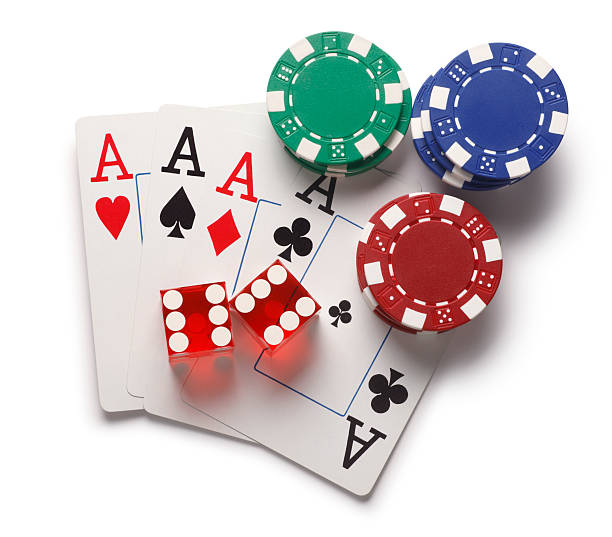
Aviator: Your Safe Gaming Destination
The Aviator website provides an exciting platform for players who enjoy gaming responsibly. It emphasizes a secure environment where users can explore various games while prioritizing their well-being. Resources are available to educate players about safe gambling practices, making it a supportive space for both seasoned gamers and newcomers.
By joining Aviator, players can enjoy thrilling gameplay without compromising their health. The site encourages players to recognize the signs of gambling addiction and offers support to ensure a balanced gaming experience. Fostering a healthier relationship with gambling begins with awareness, and Aviator is committed to promoting responsible gaming.